
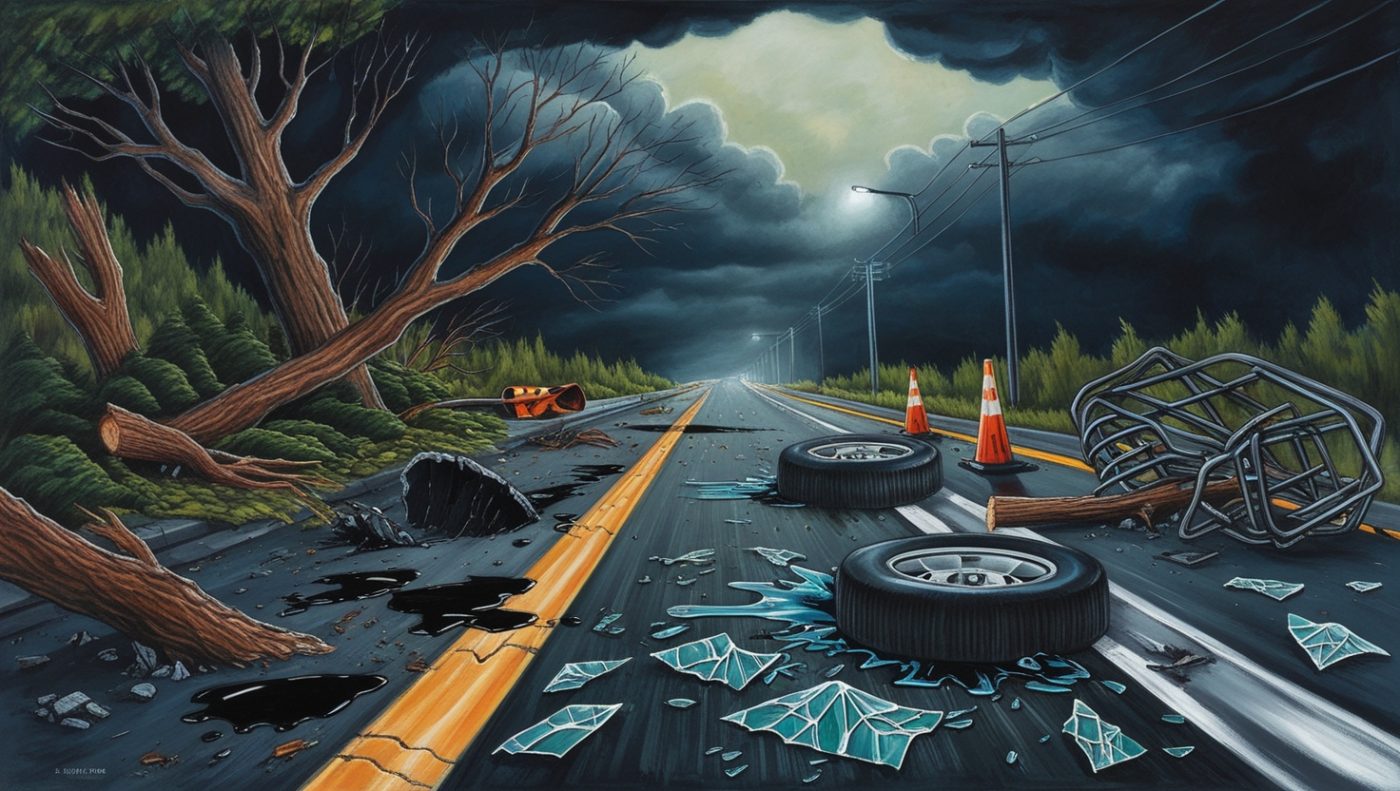
Road Hazard Driving Tips
- Stay Alert: Always be attentive to your surroundings. Scan the road ahead for potential hazards, such as debris, potholes, pedestrians, or animals.
- Maintain Safe Following Distance: Keep a safe distance from the vehicle in front of you. This will give you more time to react to unexpected hazards.
- Use Your Headlights Wisely: In low visibility conditions, such as fog or heavy rain, use your headlights to improve visibility and to make your vehicle more visible to others.
- Adjust Your Speed: Slow down when you anticipate hazards, such as wet or icy roads, construction zones, or heavy traffic. Always adhere to posted speed limits.
- Avoid Sudden Movements: If you encounter a hazard, steer smoothly and avoid sudden braking or swerving, as this can lead to a loss of control.
- Watch for Road Signs: Pay close attention to warning signs that indicate potential hazards, such as sharp turns, animal crossings, or road work.
- Stay in Control: If you need to maneuver around an obstacle, ensure you have a clear path. Use your mirrors and blind spot checks to avoid other vehicles.
- Use Your Horn Sparingly: While your horn can be useful in alerting others to your presence, use it judiciously to avoid causing panic.
- Be Cautious in Adverse Weather: Rain, snow, and ice can create hazardous driving conditions. Reduce speed, increase following distance, and be cautious of traction loss.
- Know How to Handle a Skid: If your vehicle starts to skid, steer in the direction you want to go and avoid slamming on the brakes.
Specific Road Hazards
- Potholes: If you encounter a pothole, slow down and steer around it if it’s safe. Hitting a pothole can damage your vehicle’s suspension.
- Debris (like fallen branches or tire parts): Always assess the situation. If it’s safe to do so, you may be able to dodge the debris. If you’re unable to avoid it, slow down before impact.
- Animals: Be extra cautious, especially at dawn or dusk. If you see wildlife on or near the road, slow down and be prepared to stop.
- Construction Zones: Follow posted detour signs and obey the road workers’ instructions. Be prepared for sudden stops and lane changes.
- Flooded Areas: Avoid driving through standing water. Even shallow water can hide deep potholes or strong currents.
- Bicycle and Pedestrian Traffic: Always be mindful of cyclists and pedestrians, especially in urban areas. They may move unpredictably.
- Ice and Snow: Use winter tires during cold months, increase your following distance, and avoid sudden maneuvers.
Emergency Situations
- Know Your Emergency Procedures: Familiarize yourself with what to do if you experience a breakdown or crash.
- Use Emergency Signals: If you’re stopped on the roadside, turn on your hazard lights to alert other drivers.
- Stay Calm: If you encounter a dangerous situation, try to remain calm and follow your training; panicking can worsen the situation.
Driving requires constant attention and adaptability to changing conditions. By following these tips and being proactive about road safety, you can handle road hazards more effectively and reduce the risk of accidents. Always prioritize safe driving practices and consider taking a defensive driving course to further enhance your skills.
For more helpful information visit NHTSA

Safe Travels, Abbey Icon
DOT Mobile Express®

DOT Mobile Express USDOT Fleet Services
We offer special services and pricing for Fleet Services, as we are there on your schedule when your fleet is idle.
Getting Ready for your DOT Annual Inspection – Steps to Take – Checklist
Current Operating Area
Boise Metro-Treasure Valley/Southern Idaho Northern Idaho/Washington Service Area
Detroit Michigan Metropolitan Area Portland Oregon Metro/ Southern Washington
Services now throughout Utah Ventura, CA, and N.W. LA County, CA
1 888 872-4733
Schedule Service or Request Information

